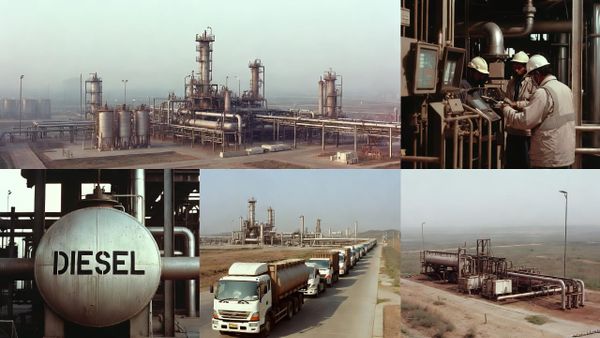
Hormuz Weekend Watch: The Pause Is Over, but the Outcome Is Not Written
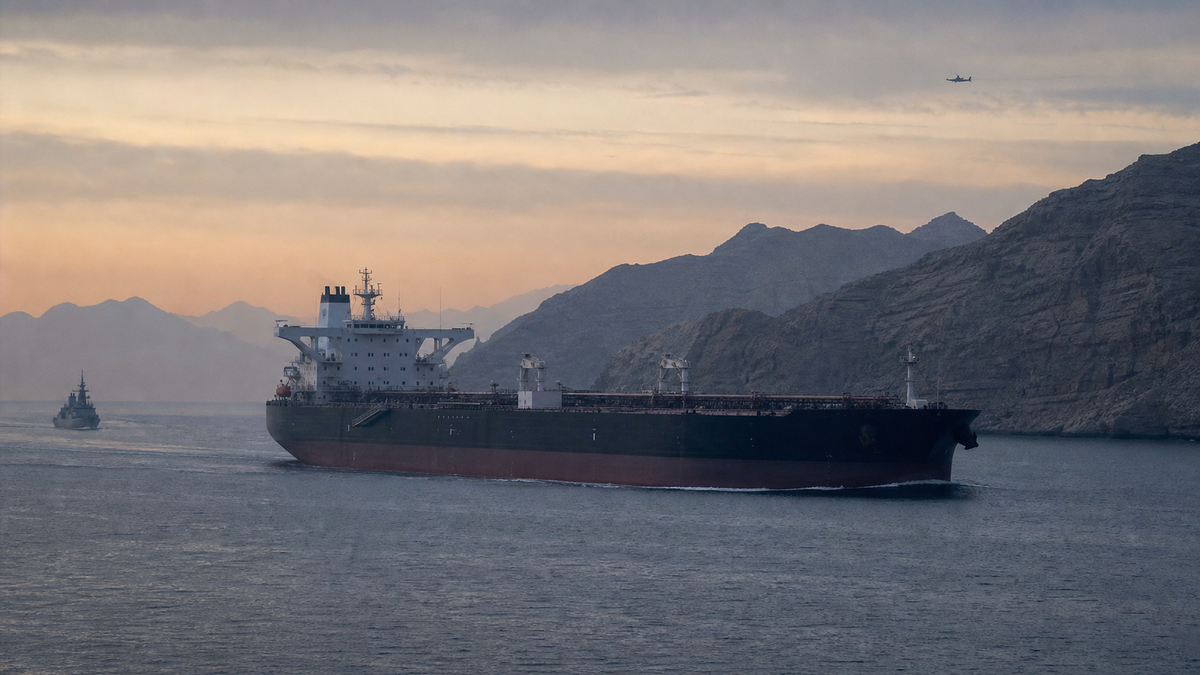
Iran claimed new tanker strikes, Kuwait intercepted drones and the White House put fresh U.S. action back on the table. For markets, the weekend test is whether deterrence can restore traffic without triggering another uncontrolled spiral.
The Strait of Hormuz is entering the weekend with more military risk, less diplomatic confidence and no reliable return to normal commercial traffic.
On Friday, Iran’s Revolutionary Guard claimed it struck two oil tankers attempting to transit the strait. Iranian state media said four other tankers turned around. The reports did not identify the vessels or provide independently verified damage and casualty details. Kuwait separately said it intercepted Iranian drones targeting military facilities; falling debris caused damage but no casualties.
The White House responded by signaling that President Donald Trump was considering renewed strikes. There were no U.S. strikes overnight into Friday, but the political pause had clearly narrowed.
The situation at a glance
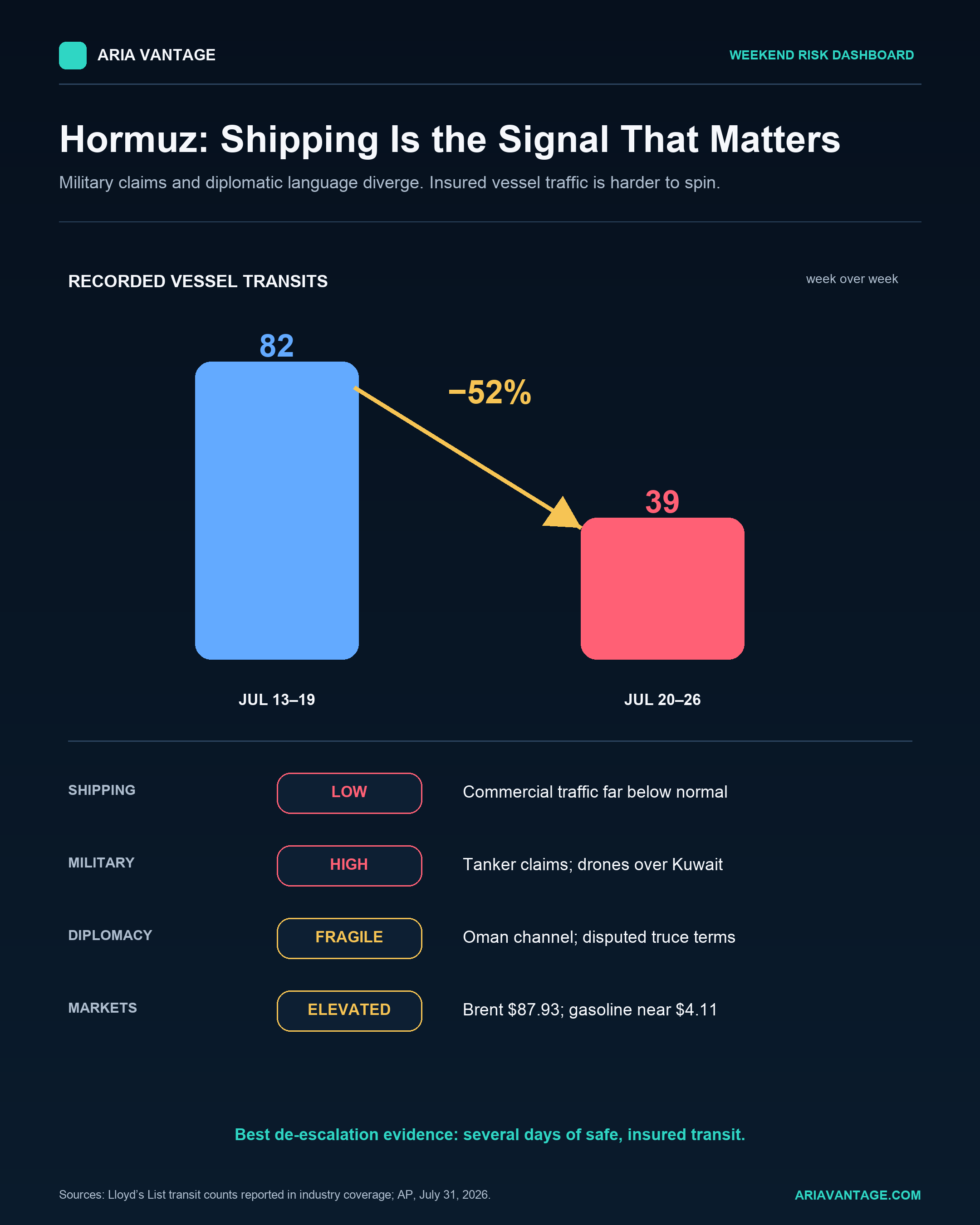
The shipping picture had already deteriorated before Friday’s claims. Commercial tanker traffic had fallen to a three-week low during the prior weekend. Lloyd’s List Intelligence counted 82 vessel transits from July 13–19 and only 39 from July 20–26, according to previously reported industry data. The strait normally carries about one-fifth of global oil and gas flows.
Those numbers explain why markets respond before a vessel is confirmed damaged. Owners, crews and insurers do not need a legal declaration of closure to behave as though a route is unsafe.
Brent crude settled Friday at $87.93, up 1.2% on the day and well above the prewar range, after swinging between $72 and $102 during July. U.S. gasoline averaged nearly $4.11 a gallon. Freight, war-risk insurance and delayed cargoes are now part of the inflation story.
What Washington is saying
White House press secretary Karoline Leavitt accused Tehran of breaking last month’s memorandum, firing on commercial ships and killing American soldiers. “President Trump is not going to stand by and allow this terrorist behavior to occur,” she said in a statement reported by the Associated Press.
Trump told reporters at Camp David: “We’ll be hitting them very hard,” while saying the goal was to force Iran back toward an acceptable agreement.
Secretary of State Marco Rubio’s consistent position has been that Hormuz is an international waterway, that commercial vessels must be able to transit without Iranian tolls or attack, and that Tehran’s interpretation of the truce does not authorize control over shipping. Defense Secretary Pete Hegseth has argued that other beneficiaries of the trade route must contribute more to maritime security. Public reporting also indicates that U.S. commanders have warned about the strain on interceptor stockpiles—a real constraint even for a militarily superior coalition.
The administration’s strongest case is grounded in a narrow, defensible principle: free navigation for commercial shipping and protection of American forces and allies. Any next action should be judged by whether it advances that objective while preserving escalation control.
What Iran is saying—and doing
Iran says it retains authority to supervise passage under its interpretation of the truce memorandum. On Monday, a Foreign Ministry spokesperson said Tehran remained in control of the strait and was not seeking renewed peace talks, while describing technical discussions with Oman as constructive. Washington rejects that interpretation.
Friday’s claimed tanker attacks and the reported drone strike on Kuwait cut against the idea that the dispute is purely administrative. They also raise the cost of any diplomatic off-ramp because every new attack strengthens the U.S. argument that assurances must be public, verifiable and enforceable.
Iranian state claims, U.S. statements and battlefield reports should all be treated as claims until corroborated by vessel operators, satellite data, independent maritime agencies or multiple credible news organizations.
Israel and the regional front
Prime Minister Benjamin Netanyahu told Trump this week that he was skeptical a durable agreement with Iran could be reached and discussed increasing pressure through military and nonmilitary means, according to Axios. Israel’s immediate interest is preventing Iran from rebuilding missile, drone and air-defense capacity while Washington focuses on navigation and protection of forces.
The second chokepoint is increasingly important. The Houthis have threatened ships using Saudi Red Sea ports, and Saudi Arabia announced a proposed 14-country defensive maritime alliance. China has separately sought assurances for its own tankers through Bab el-Mandeb. If both Hormuz and the southern Red Sea remain impaired, rerouting cannot fully solve the problem.
What to expect this weekend
Three scenarios matter.
1. Controlled pressure. The U.S. conducts limited strikes on clearly identified military capabilities connected to tanker or drone attacks, while Oman and regional mediators push for a verifiable shipping arrangement. This would signal resolve without automatically expanding the target set.
2. Tactical pause. No major strikes occur, but shipping remains sparse while operators wait for proof that passage is safe. Oil may stay elevated because “no attack” is not the same as “normal transit.”
3. Escalation across two waterways. Additional Iranian attacks, Houthi action in the Red Sea or strikes on Gulf infrastructure could push Brent back toward July’s highs and force broader convoy, air-defense and supply responses.
Our base case is continued low traffic and high rhetoric, with a meaningful risk of limited U.S. action. The clearest de-escalation signal would not be another communique. It would be several days of safe, commercially insured transits under transparent rules.
The market checklist
- Verified tanker identities, damage and crew status.
- Daily transit counts, especially LNG carriers and large crude carriers.
- Changes in war-risk insurance and charter rates.
- CENTCOM announcements and any movement toward sustained escorts.
- Omani mediation and whether Iran publicly renounces attacks on commercial vessels.
- Houthi activity near Bab el-Mandeb.
- Brent’s reaction near $90 and the 10-year Treasury yield’s response.
American strength is most credible when it protects commerce, allies and service members while keeping objectives clear. The goal is not to win a headline over the weekend. It is to make the waterway reliably boring again.
This article reflects information available through the U.S. market close on July 31, 2026. Fast-moving conflict reports may change.
Disclosure: This article was partially produced with the assistance of AI tools and was reviewed and edited before publication. The author held long positions in LMT, NOC, RTX, XOM, CVX, VLO and ET as of July 31, 2026. The author received no compensation from the governments, companies or organizations mentioned. This material is analysis and commentary for informational purposes only.